What to Expect at Your First Partner Dance Class
Walking into your first partner dance class can feel exciting, a little daunting, and full of questions. Do you need a partner? Will you be able to keep up? What if you’ve never danced before? If you’re thinking about trying Leroc or another partner dance for the first time, you’re not alone. The good news is that beginner partner dance classes are designed to be friendly, structured, and accessible for everyone. Here’s exactly what you can expect at your first class.
A Friendly and Supportive Environment
One of the first things most beginners notice is how welcoming the atmosphere is. Leroc classes are social by nature, and instructors and regular dancers are used to helping newcomers feel comfortable. You won’t be expected to know anyone or anything when you arrive - just turning up is enough.
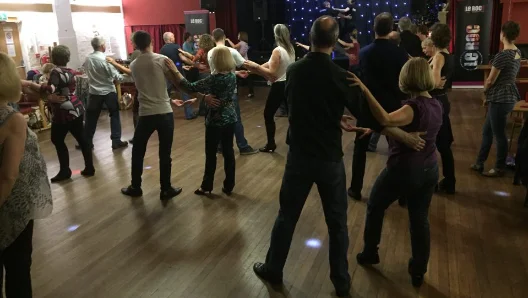
You don’t need to bring a partner either. Most partner dance classes rotate partners throughout the lesson, which helps you learn faster and keeps the experience relaxed and social. Rotating partners may feel unfamiliar at first, but it quickly becomes one of the most enjoyable parts of learning to dance.
A Simple, Clear Beginner Class Structure
A typical beginner Leroc class is very clearly structured to avoid overwhelm. The class usually consists of three moves, carefully chosen to introduce the fundamentals of partner dancing. These moves are broken down step by step, with plenty of repetition so you can get comfortable with each one.
Because Leroc is based on simple walking steps rather than complicated footwork, beginners are often surprised at how quickly they can start dancing. The focus is on timing, connection, and learning how to move together, rather than memorising long routines.
Extra Support with Beginner Coaching Sessions
Many Leroc venues offer a separate beginner coaching session shortly after the main class. This is a great opportunity to revisit the moves you’ve just learned in a more relaxed setting. Coaching sessions usually allow more time for questions, individual feedback, and extra practice.
If you’re feeling unsure after your first class, this session can make a huge difference to your confidence. It’s also a brilliant way to reinforce what you’ve learned and settle any nerves before the social dancing begins.
No Dance Experience Required
You don’t need rhythm, coordination, or previous dance experience to start partner dancing. Instructors expect complete beginners and explain everything clearly, often demonstrating both leading and following roles. Mistakes are normal - and expected - so there’s no pressure to get everything right straight away.
Partner dancing is about communication and teamwork, and these skills develop naturally over time.
What to Wear (and What to Avoid)
Comfort is key for your first partner dance class. Wear clothes that allow you to move freely and don’t restrict your movement. When it comes to footwear, flat shoes that are secure on your feet are ideal.
It’s best to avoid trainers, as they tend to be too grippy on the floor, making turns more difficult and sometimes uncomfortable for your knees. Shoes with a smoother sole will allow you to turn more easily and feel more relaxed while dancing.
Expect to Have Fun
Above all, expect to enjoy yourself. You might laugh at a wrong turn, forget a move, or feel a little clumsy - and that’s all part of the learning process. Everyone in the room started exactly where you are now.
By the end of your first partner dance class, you’ll have learned three moves, danced with several people, and discovered that dancing is far more fun - and far less intimidating - than you might have imagined.
Your first class isn’t about being perfect. It’s about giving it a go, meeting new people, and taking your first steps onto the dance floor with confidence.